




The Khirthar Mountains form a large mountain range to the west of the Indus River. This river flows from the Himalayas, Hindu Kush, and Sulaiman ranges and reaches the Arabian Sea. The Indus Valley Civilization flourished on the plains between this mountain range and the Indus River. The Amri civilization also developed as part of this system.
The rocks of the Khirthar Mountains are millions of years old. Stone tools and caves found in this region prove that humans lived here thousands of years ago. Many caves exist in the Khir Thar range in Sindh. Some caves are natural, while others appear to have been expanded by humans. Even today, people refer to different locations here as “thaak” in the Sindhi language.
Several such places exist in and around Sehwan city. Today, we will discuss them together in one place.
The Indus River is described in the world’s oldest book, Rig Veda, as the Lion River. It roars through the mountains, breaks rocks, and flows into the plains of Sindh. Over time, floods from the Indus River destroyed many ancient cities of Sindh. Some cities disappeared completely and cannot be found today. However, traces of some settlements still exist. In many cases, even their names remain unknown.
Floods destroyed hundreds of years old cities. However, Sehwan is one of the few cities that survived despite repeated floods and attacks. This city has remained a spiritual center of Sindh since ancient times. Many believe it was once a place of worship for the ancient god Shu. The city holds many mysteries and legends, which we will discuss another time.
Now, let us focus on some locations about 50 kilometers west of Sehwan.
A road leads west from Lalbagh in Sehwan city. It passes through Bajara and Jahangira, then continues through the central region of Tehni. After crossing Machnar Lake, the road enters the Khir Thar mountain range. There, you reach a place called “Panjtan Bagh.”
Panjtan Bagh
Panjtan Bagh is a unique place where a stream flows continuously. Locals call this stream “Ali Jo khooh” ( ali’s well) It provides clean and fresh water to the surrounding area. Along the stream, you can find large neem, acacia, and date palm trees. Because of this greenery, people call the place a “bagh” (garden).
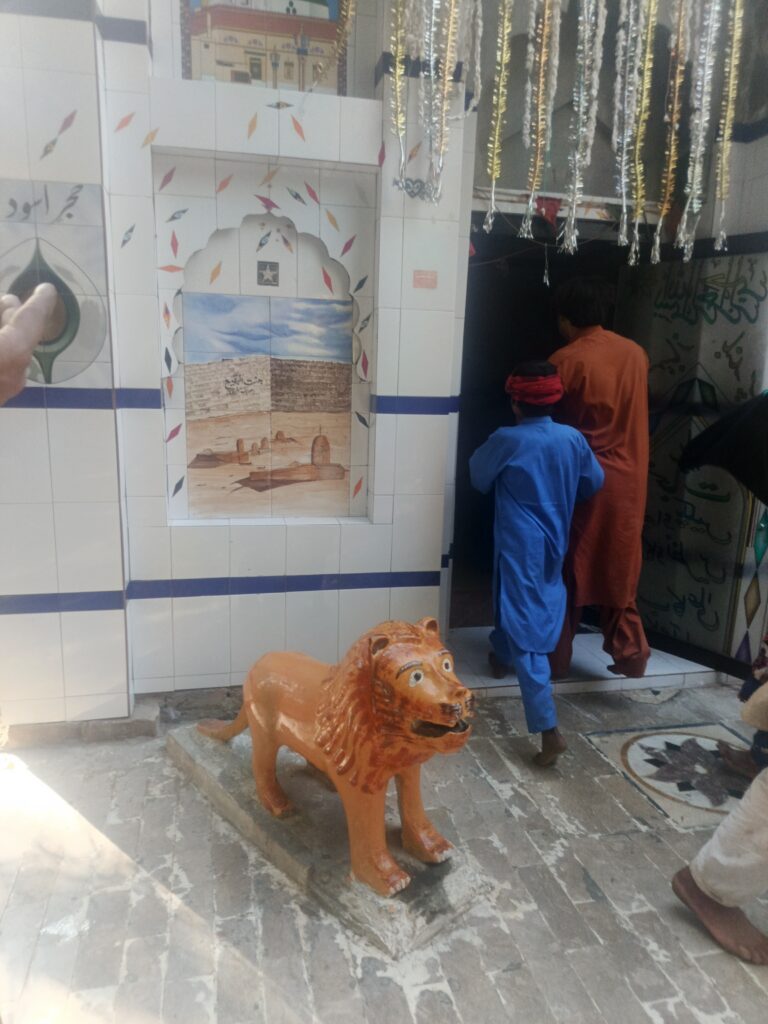
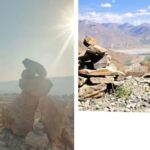
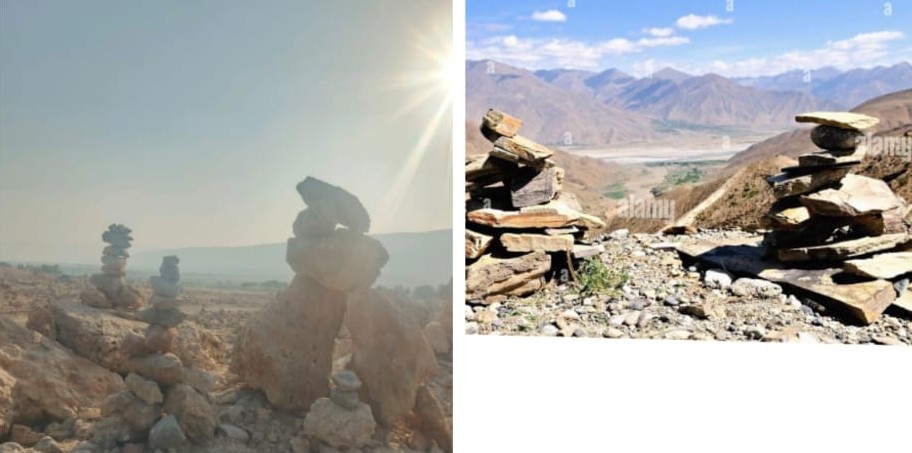
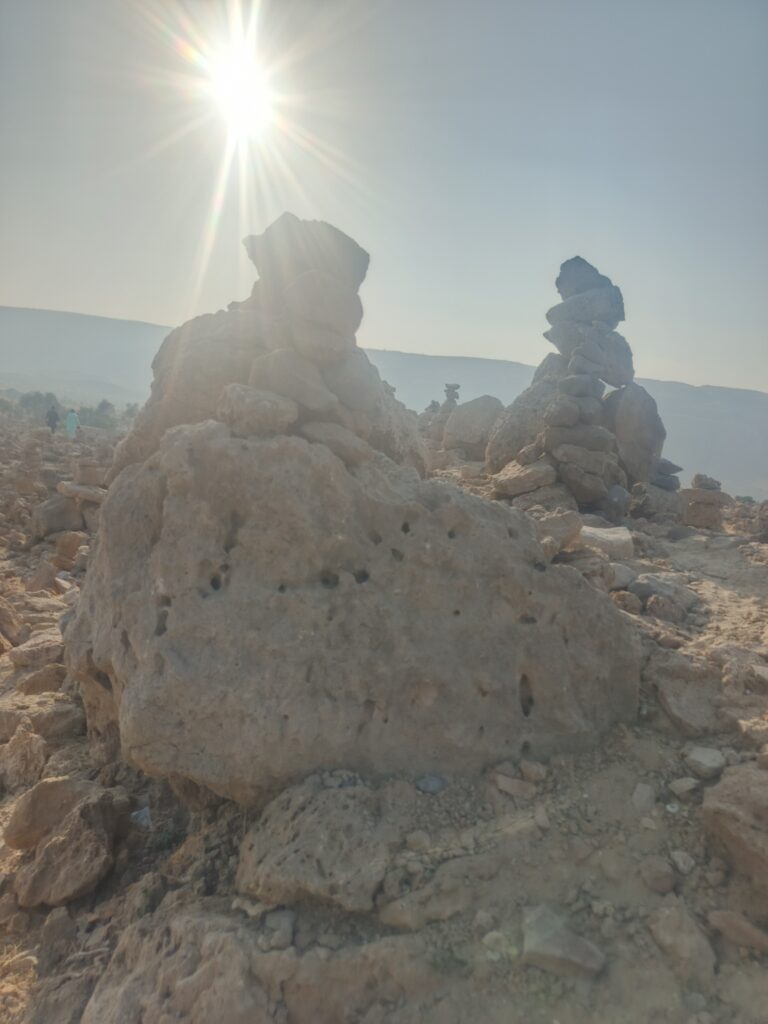
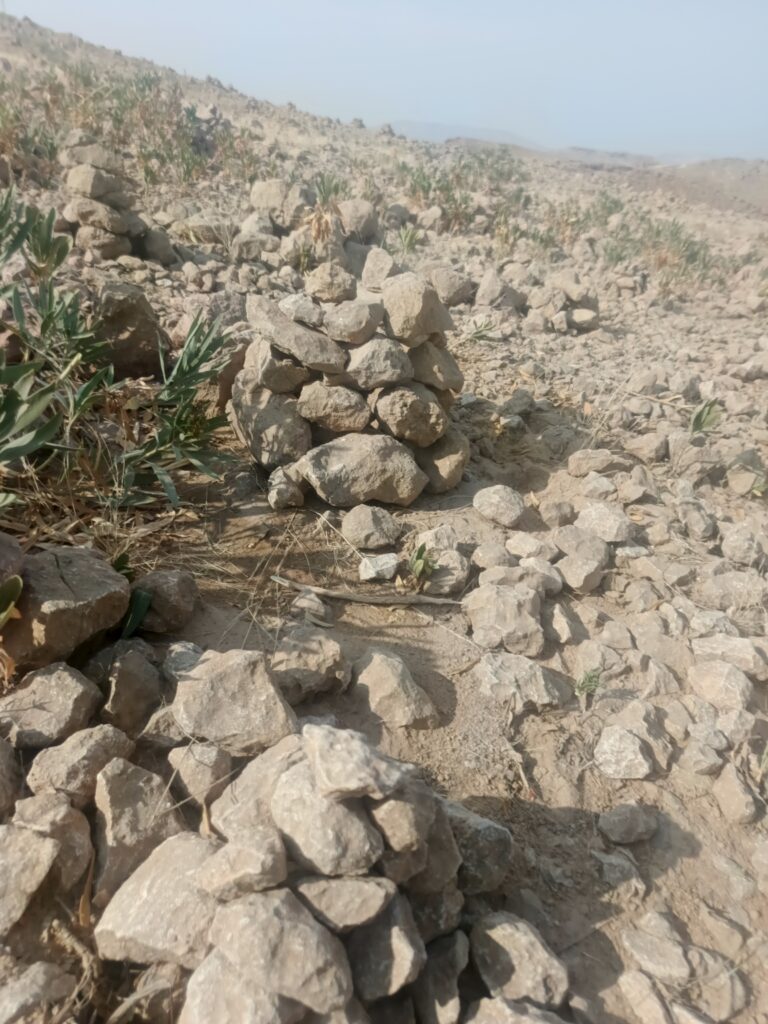
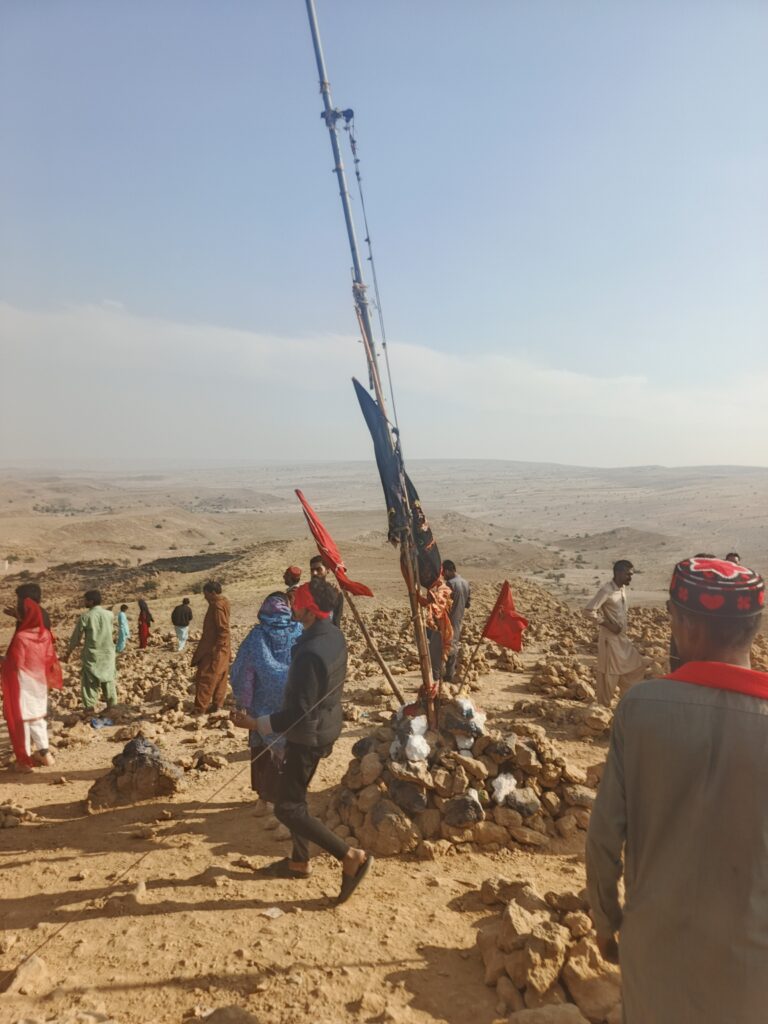
To the west of the stream, a hill rises within the mountains. At the top of this hill, people have placed several Alams (Islamic Shia flags). Visitors climb up to these Alams to make vows (mannat). As part of this practice, they build small stone structures below the Alams. These structures represent their vows. After building them, they continue their visit to the top.
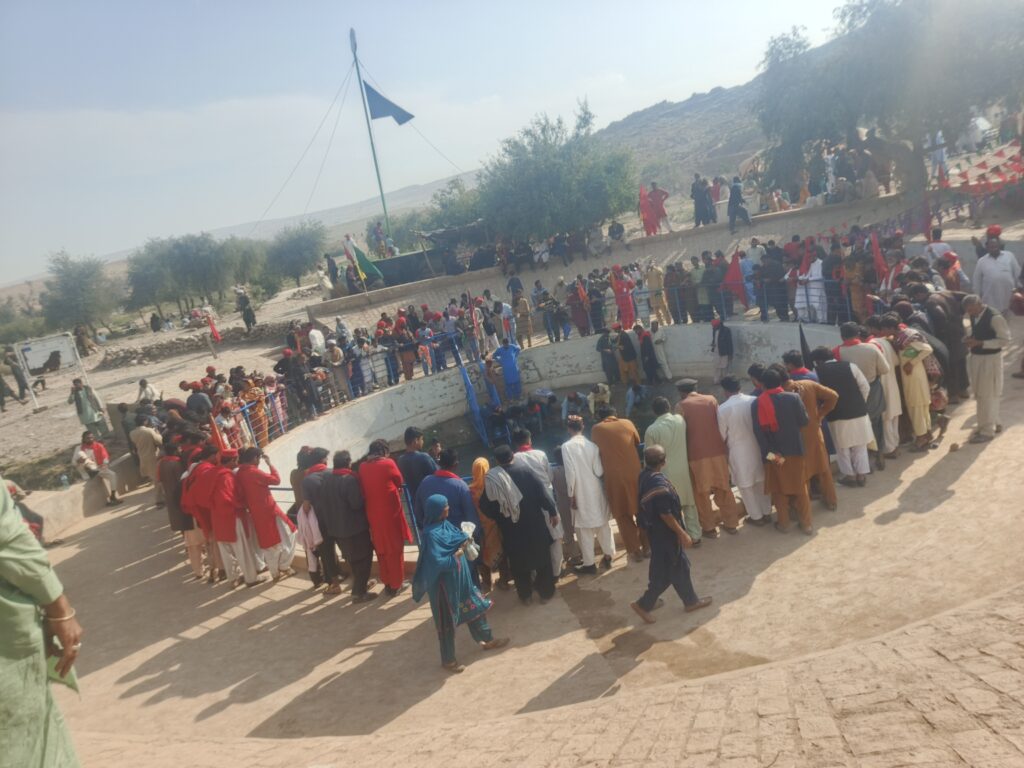
Every year, thousands of people visit this place. They walk through the gardens, sing songs, dance, and play drums. Some people celebrate, while others come for prayer and devotion. Visitors arrive not only from Sindh but also from Punjab in large numbers.
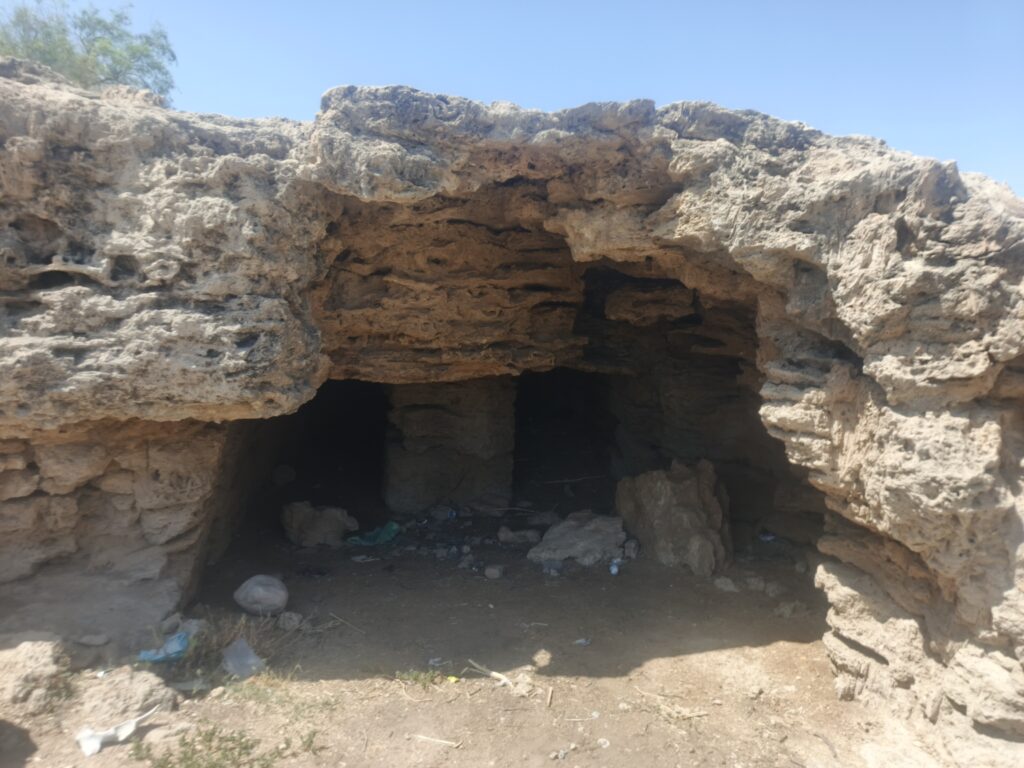
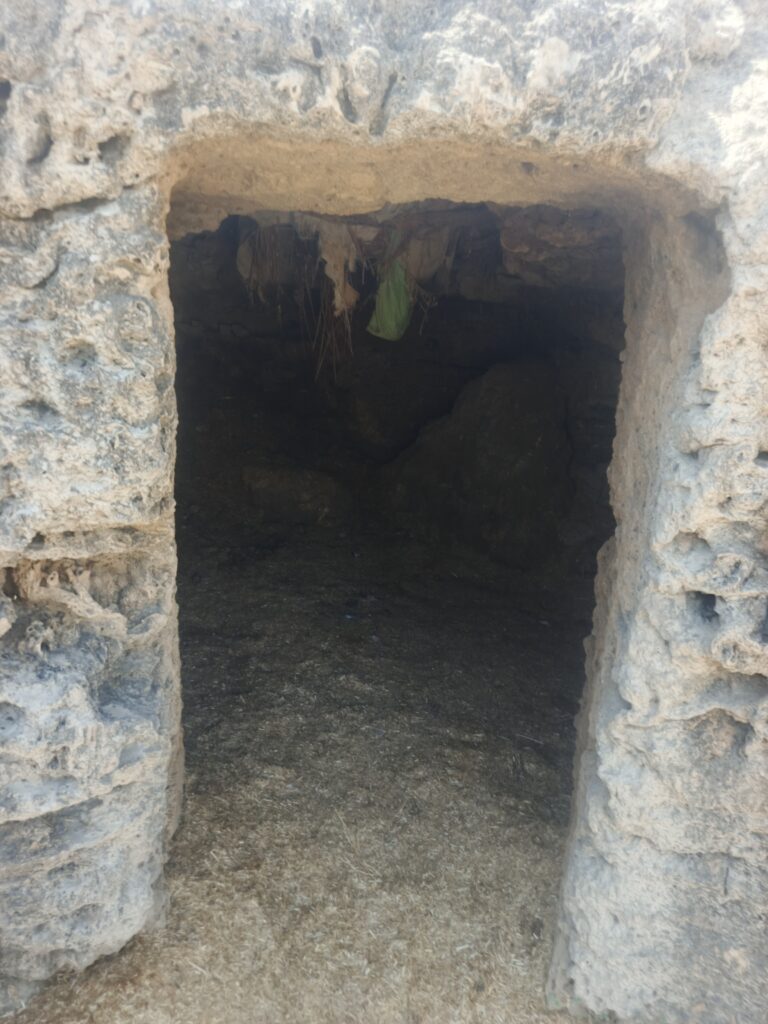
During my visit to this site, I also explored several caves. I found five to six large caves. Some were natural, while others showed clear signs of human construction. These caves increased the historical importance of the site. They suggest that this place is not just a few hundred years old but has existed for a much longer time. It has survived in different forms throughout history.
Look at this place (Thank)with a conscious eye.
In Sindh, many ancient caves still exist. Early humans lived in these caves for thousands of years. Later, when civilizations developed, people left these caves. However, they did not abandon them completely. Instead, they preserved them by associating them with shrines and temples of their ancestors.
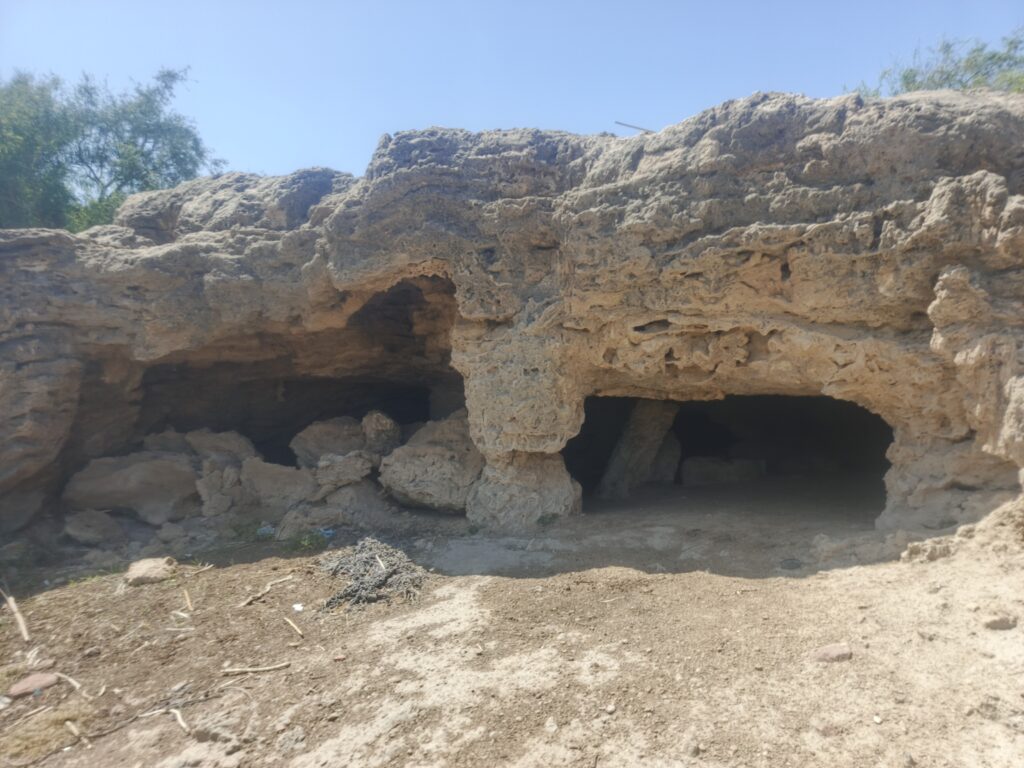
For example, the Clifton temple in Karachi exists inside a cave. Similarly, in the Aror mountain range near Sukkur, the temple of Kalka Mata Devi stands inside a cave. This shows that during the civilization period, people transformed old cave dwellings into religious (Hindu) places of worship.
In the same way, five large caves appear at this site. These caves clearly indicate the antiquity of the place.
In Hinduism, the concept of Panj Devta worship exists. This includes five deities: Shiva, Vishnu, Parvati Devi, Surya Devta, and Ganesha Devta. The continuous worship of these five is known as Panj Devta worship. Some researchers believe that the concept of Panjtan in the Shia school of thought may have connections with this idea.
It is possible that the original name of this garden was “Panjdevata.” Later, after the advent of Islam, people may have changed it to “Panjtan Bagh.”
Similarly, the practice of placing stones also appears in different religions. In ancient folk traditions, people prayed by placing stones. Some followers in Hinduism still follow similar practices. In the Himalayan regions, Buddhists build stone piles and consider them symbols of good fortune. These are known as cairns or mani stones.
Buddhism had a strong influence in Sindh. Before the Arab invasions, many people in Sindh followed Buddhism. Therefore, it is possible that such rituals originated in Buddhism and later adopted Islamic forms.
A similar practice also exists in the Shinto religion of Japan, where people associate it with the figure of Jizo.
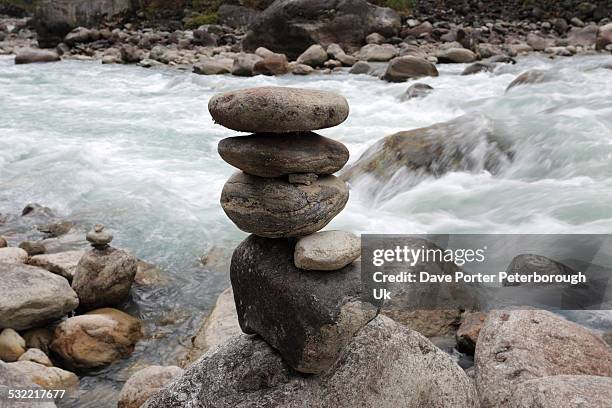
Shamanism also shows this method. Travelers place piles of stones during their journeys. In Sehwan, many other practices resemble shamanic traditions. This suggests that Sehwan may once have been a center of shamanism.
Climbing the mountain above stream (Nien) (Ali’s Well) is a short journey. Along the way, people place stone piles and make supplications.
For thousands of years, people of different religions have visited this ancient place. They have brought their beliefs here and also taken inspiration from it. Even today, these shrines remain active and inhabited. People have not abandoned them.
This reflects a remarkable aspect of human history. Even after millions of years, humans do not abandon their ancient roots. Instead, they preserve them through evolving beliefs.
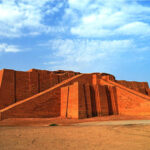
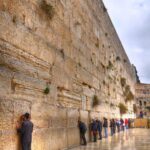
The Indus Valley Civilization existed in Sindh for thousands of years. Over time, people from Egypt, Iraq, and the Middle East visited this region. Along with Islam, religions such as Hinduism, Buddhism, Jainism, Zoroastrian Judaism, and Christianity also established a presence here.
As a result, Sindh developed into a blend of multiple religious traditions. In this environment, ancient beliefs from early human history also survived in different forms. Even today, these beliefs continue to express themselves.
Humans left the caves. They built civilizations, cities, and states. Over time, human thought progressed, economic structures developed, and religious beliefs shifted across civilizations. Yet, these ancient places continue to retain their deep-rooted significance. They stand as enduring symbols of cultural identity and historical legacy. Even in the face of modern change, their original essence remains preserved. These timeless sites still reflect the traditions and values of the past, making them important for both heritage and learning.
writer! GM Leghari