





Today, we will mention four historical nations of Asia. These nations are extremely sensitive to their homeland, nation, language, and culture. They are patriotic and have continuously fought and struggled for their survival. Despite facing thousands of attacks on their homeland and conspiracies to destroy their culture, they are not ready to give up their homeland, nation, language, or culture.
Let us discuss and mention these nations in order.
Iran
Iran has recently been involved in a war and is currently fighting for its survival. The past identifies this nation with Persia. Iran is a country in Asia, like Sindh, Iraq, and Egypt, and it is rich in ancient civilizations. Its civilization spans 6000 years. Researchers have discovered ancient artifacts here from the Neolithic period. Around 2500 years ago, the ancient state of Elam was established during the Elamite period. Later, the Persian and Zoroastrian periods emerged.
Although Persia now forms a province of Iran, its history brims with swords, invasions, and vast borders. At one time, Persia’s borders stretched from the Arabian Sea and Balochistan to Central Asia, and from the entire Middle East to Egypt.
Cyrus the Great organized the region’s groups in 550 BC and established the Achaemenid Empire. Cyrus and Darius ruled as important kings during this period.
The Greek and Parthian War (330 BC–224 AD)
Alexander the Great of Greece invaded Iran and established his rule over the country.
The Sassanid Empire (224–651 AD)
During this period, Iran grew into a great empire. Zoroastrianism became the country’s official religion. Iran also engaged in ongoing wars with Rome during this era.
The Islamic Era (After 651 AD)
Arab Muslims invaded Iran, and the Shia sect entered the country.
The Persian Empire (1501–1736 AD)
Shah Ismail I founded this empire and transformed Iran into a Shiite state.
Qajar and Pahlavi Era (1700–1979 AD)
Agha Mohammad Khan Qadir established the Qajar Empire and unified Iran.
After 1925 AD, Reza Shah Pahlavi established the Pahlavi Empire by military force. He strengthened the central government and implemented modernization programs. He also introduced Western-style education. His era is called the Reformist era. However, he ruled as a dictator and did not tolerate opposition. As a result, the first popular uprising occurred against him.
In 1951, nationalist leader Mohammad Mossadegh overthrew Reza Shah’s government. He freed Iran from foreign control and nationalized the oil industry. However, foreign conspiracies overthrew his government in 1953, delaying the revolution.
Later, in 1979, the hard-line religious fundamentalist leader Khomeini overthrew Reza Shah Pahlavi’s government and established an Islamic republic. He implemented a strict Islamic system across the country. Zoroastrians and other religious groups lost fundamental rights and became minority citizens.
The Iranian people continue to resist this government. Citizens express frustration with the religious system and demand a secular government.
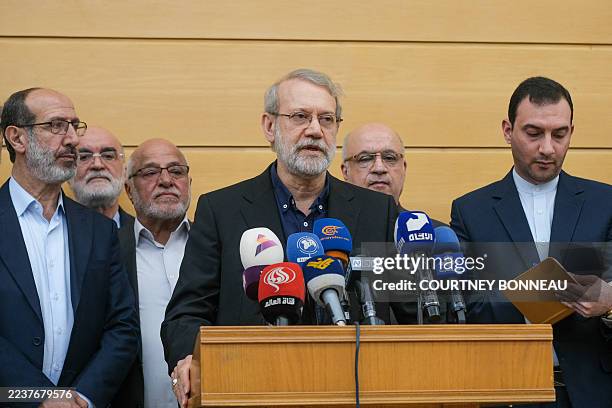
As of 2026, Iran is at war with the United States and Israel. It stands alone in the region against a global superpower, the United States, and its ally, Israel. Donald Trump’s daily changing statements and Israel’s limited media coverage of attacks on Iranian cities suggest that Iran may be fighting beyond the expectations of its enemies.
Turkey
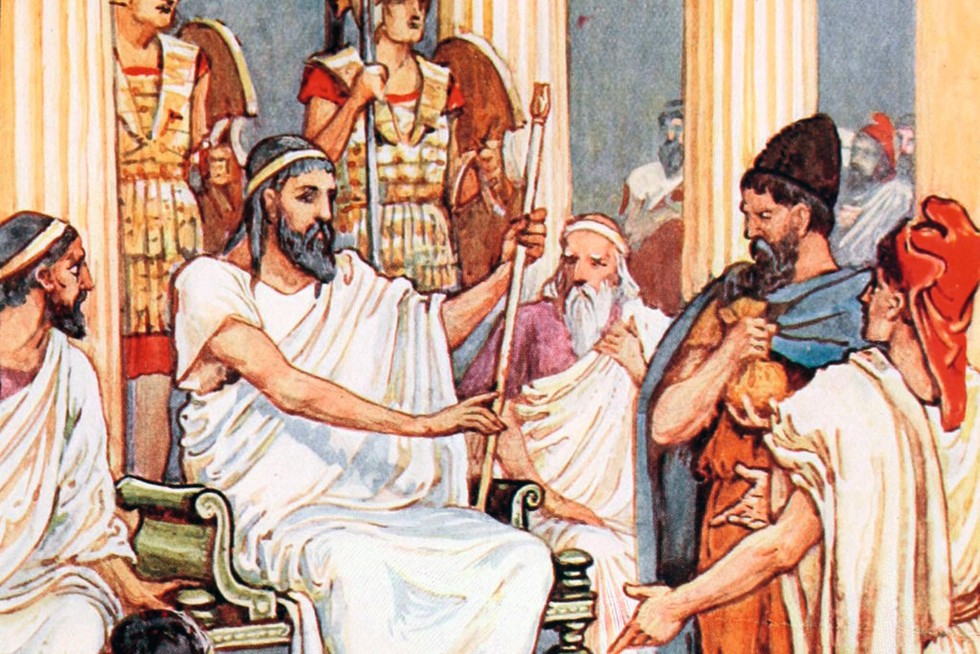
The Turkish land connects to ancient civilizations in Anatolia, which began in 1200 BC. Later, the Greek and Roman periods began. The Greeks conquered parts of Turkey, and then the Romans dominated the region.
Byzantine Empire (395–1454 AD)
The Byzantines controlled this region for almost a thousand years. During this time, regional wars and tribal conflicts were common.
Seljuk Turks and Ottoman Empire
In the Middle Ages, the Seljuk Turks arrived from Central Asia. After 1071 AD, their influence in the region grew. This influence fully manifested in the form of the Ottoman Empire, which lasted from 1299 AD to 1922.
Modern Turkey
Although the idea of secularism came from Europe during the French Revolution, it initially appeared only in administrative practices in Turkey. The influence of the Pop remained significant. However, the first country to fully implement secularism in governance was Turkey. In 1923, nationalist leader Mustafa Kemal Ataturk abolished the Caliphate and introduced a modern democratic and secular system. Turkey continues to operate under this secular democratic model to this day.

Sindh
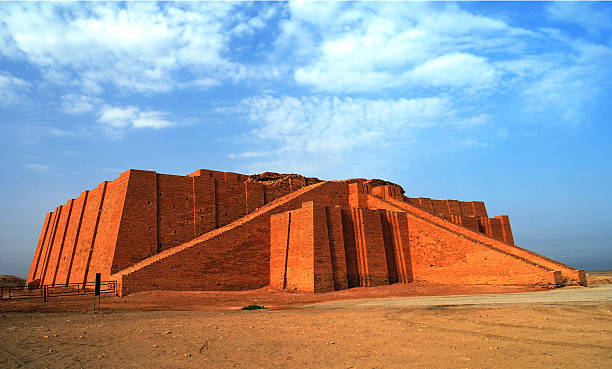
The history of Sindh spans 8000 years. The Indus Civilization began here, on the banks of the Indus River. This land also has an ancient civilization like the Indus Civilization. The world’s first city-states, Mohenjo-daro and Harappa, were established here. Historians believe that concepts of God and religious practices first emerged in this region. These beliefs and ideas spread worldwide, eventually influencing the major religions of today.
Compared to Turkey, the Sindhi nation has been a resident here since the civilization era. They are the original inhabitants of their homeland and have lived here for thousands of years. Over time, different groups and races merged with them.
After the Indus Valley Civilization, Sindh experienced thousands of invasions. The Sassanids ruled here, followed by Alexander the Great. After Alexander’s invasion, the local Rai dynasty governed Sindh, followed by the Brahmin dynasty. Later, the Arabs invaded Sindh. After the Arabs, the Soomro and Sama dynasties, original Sindhi rulers, held power. Later, the Arghun Tarkhan (Turk) and Mughals invaded. The Sindhis eventually regained freedom under the Kalhora dynasty, followed by the Mirs. The British then invaded, occupied, and annexed Sindh to the newly formed country of Pakistan. Sindh continues to struggle for its historical and national identity today.
History shows that the Sindhi people have faced thousands of attacks, but they never abandoned their language and culture.

Kurdish
The Kurdish people descend from the Mesopotamian civilization. They live in the northwest of the Zagros in Central Asia, the Taurus Mountains in the east, and along the Tigris and Euphrates rivers. Today, they reside in southeast Turkey, northeast Syria, and northeast Iran, with large populations living as refugees in the United States, Canada, and the former Soviet Union.
Around 1880–1883, Sheikh Abdullah became the first Kurdish leader in Turkey. He demanded a separate Kurdish state during the Ottoman and Persian Empires. This demand persisted at different times. In 1920, Britain oversaw an agreement to establish a separate Kurdish country. After 1970, Abdullah Öcalan emerged among the Kurds and laid an ideological foundation.
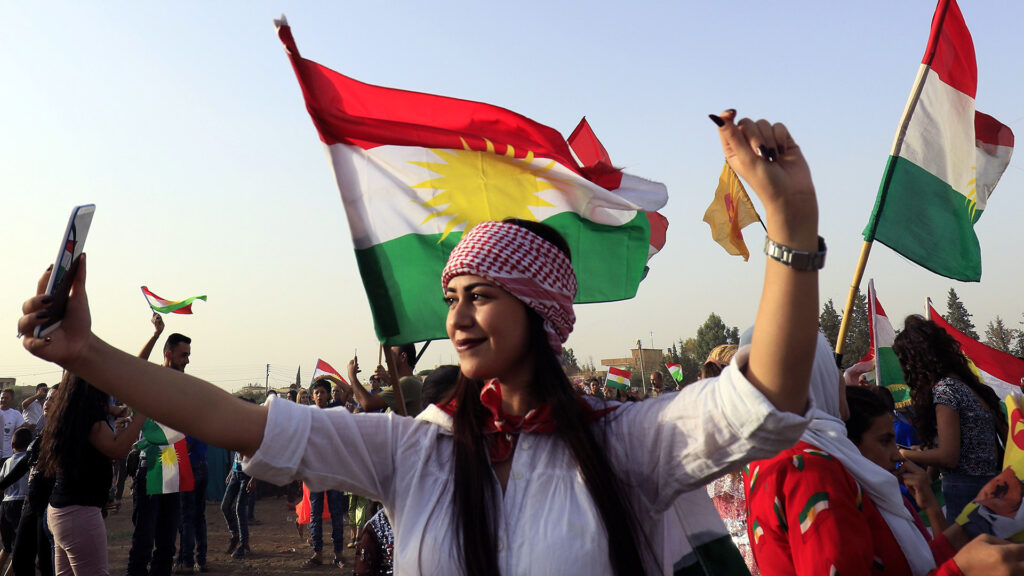
The Kurds of Turkey, Iraq, Syria, and Iran still follow Öcalan’s ideas, even though he is imprisoned in Turkey. Recently, Kurds fought ISIS in Iraq and established the Kurdistan province. In 2017, a referendum allowed the Kurds to vote for a separate country. Before Khomeini came to Iran, the Kurds liberated many areas from Iranian occupation. However, Khomeini crushed their movement. Today, the Kurds continue to struggle for the survival of their homeland.
Resistance of these nations
The histories of Iran, Turkey, Sindh, and the Kurds reveal repeated foreign invasions. Foreigners tried to impose their culture, language, and religion. Despite this, these nations preserved their homeland, history, identity, and language over thousands of years.
Iran faced attacks by Alexander the Great, Arabs, Genghis Khan, Timur, Uzbek warriors, and later by Russia, Iraq, Israel, and the United States. Yet, Iranians protected their civilization, homeland, language, and culture.
Turkey endured the Trojan War, Persian Empire invasions, Alexander the Great, Arab and Byzantine invasions, Mongol attacks, and the Crusades. Even after European interventions, the Turks preserved their homeland, culture, and language.
The Kurds faced invasions by Turkey and Iran and are still affected by injustices in Iraq, Syria, and Iran. Despite this, they refuse to give up their homeland, culture, or language.
Sindh experienced over 11,000 attacks, from ancient Greece, Persia, and Central Asian nomads, to Arab and Afghan empires, the British invasion, and the formation of Pakistan. Despite threats to their language, culture, and identity, the Sindhi people have preserved their heritage and continued the struggle.
A major similarity among these four nations is their resistance to Arab Empire invasions after the advent of Islam. The Arab Empire expanded from the Tharparkar Desert in Sindh to the Sahara Desert in Egypt. Many regions, including Iraq, Syria, and Egypt, gave up their native culture and language and became Arabized. However, Sindh, Iran, Turkey, and the Kurds resisted Arabization. They maintained their identities, languages, and cultures instead of becoming pseudo-Arabs.
Writer! GM Leghari